






Build the field irrigation layout around the crop, water source, pressure and field geometry
For open-field farming, the irrigation method should be selected before individual components are ordered. We supply drip, sprinkler, filtration, piping, valve and fertigation products that can be combined for row crops, broad field coverage, movable irrigation and zoned agricultural watering.
 Open-field irrigation should be designed around coverage, crop rows, pressure, water quality and operating method.
Start with these six project facts
- Field size and longest water-delivery distance
- Crop type, row spacing and planting layout
- Water source and visible sediment or impurity condition
- Available pump pressure and flow
- Preferred method: drip, sprinkler, movable or combined
- Fertigation, zone control, packaging and destination needs
Choose the irrigation approach by field condition
A field irrigation solution should solve the watering task first. Product selection then follows from planting geometry, available water and pressure, operating method and maintenance requirements.
| Field condition | Recommended approach | Why it fits | Product groups to evaluate |
|---|---|---|---|
| Regular row crops Vegetables, onions, potatoes, melons and similar planting layouts |
Drip irrigation along crop rows | Water is delivered along defined rows, making emitter spacing, row spacing, filtration and flushing the main selection points. | Drip Tape, Drip Tube, Filters, Main Line |
| Wide-area surface watering Open fields where broader spray coverage is required |
Impact or medium-distance sprinkler irrigation | Sprinkler radius, nozzle, pressure, spacing and installation height can be matched to the field coverage plan. | Medium-Distance Sprinklers , Plastic Sprinklers , Metal Sprinklers |
| Seasonal or movable watering Fields where irrigation points are changed between blocks |
Movable pipe and quick-connection layout | Quick connections can simplify moving water outlets between field sections without fixing every outlet permanently. | Quick Coupling Valve, Irrigation Main Line, Pipe Fittings, sprinklers |
| Multiple crop blocks or different watering needs Fields divided by crop, planting stage or operating schedule |
Zoned or combined drip + sprinkler system | Separate valves and branch lines allow different irrigation outlets to be used in different field sections. | Control Valves, Drip Irrigation, Sprinkler Irrigation, filtration |
Plan the system from the water source to the crop
Each section has a different job. Matching them in sequence helps reduce pressure, connection and clogging problems after installation.
 A field layout must match pressure, spacing, pipe routing and the number of outlets operating at the same time.
Water Source
Confirm well, reservoir, river, tank or other project water source and its impurity condition.
Pump & Pressure
Check available flow and pressure before selecting pipe size, zones and irrigation outlets.
Filtration
Select filtration according to the water source and the sensitivity of drip emitters or sprinkler nozzles.
Fertigation Option
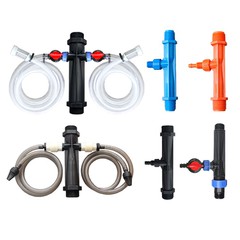
Add a fertilizer injector when the field plan requires nutrients to be introduced through the irrigation line.
Main Line
Carry water from the source to field blocks with pipe and fittings matched to the required flow path.
Zone Control
Use manual, quick-coupling or solenoid valve arrangements according to how each field section will be operated.
Branch Lines
Distribute water to crop rows or sprinkler locations while considering run length and connection standards.
Field Outlets
Finish with drip tape, drip tube, impact sprinklers or other outlets selected for the crop and layout.
Six decisions control most field irrigation product matching
Giving these project inputs before quotation makes the product list more useful than choosing parts one by one from a catalogue.
1. Crop and planting geometry
Crop rows, row spacing, field blocks and planting density determine whether drip, sprinkler or a combined layout is more practical.
2. Field size and run length
Longer water-delivery distances make pipe sizing, zoning and pressure management more important.
3. Water source and filtration
Water quality affects the type of filtration required before water reaches drip emitters, valves and sprinkler nozzles.
4. Available pressure and flow
The irrigation outlet must operate within the pressure and flow available at the project, not only match the desired coverage.
5. Fixed, movable or zoned operation
Permanent field lines, movable sprinkler sets and separately controlled blocks require different valve and connection choices.
6. Fertigation and future expansion
Confirm whether fertilizer injection, additional field blocks or automatic valve control may be added later.
Field irrigation products grouped by system function
Instead of treating every item as a separate purchase, group components by the job they perform in the irrigation network.


Sprinkler coverage
Evaluate working pressure, flow, radius, nozzle configuration and spacing for open-field spraying.
Explore Sprinkler Irrigation

Main and branch water delivery
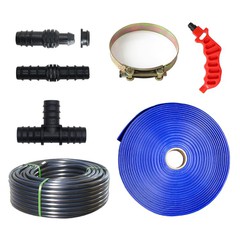
Use LDPE pipe, lay-flat hose and fittings according to the flow route, connection standard and field operating method.
Explore Irrigation Main LineValves and field control
Manual, quick-coupling and solenoid valve options support block isolation, movable operation and zoned irrigation layouts.
Explore Irrigation ValvesCheck these points before the order is finalized
Many field irrigation problems come from component mismatch rather than a single defective item. Confirm the operating conditions before fixing the product list.
Pressure at the actual irrigation zone
Do not select sprinklers or drip products only from pump nameplate data. Consider the field distance, pipe route and number of outlets operating at the same time.
Filter before small outlets
Drip emitters and small nozzles are more sensitive to particles. Define the water source and filtration requirement together.
Pipe size and connection standard
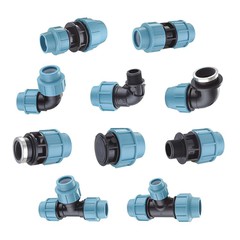
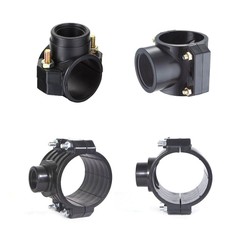
Confirm main-line and branch-line sizes, thread or fitting standards and how field workers will connect, disconnect and maintain the system.
Sprinkler spacing and overlap
Coverage should be planned by the actual sprinkler performance and field layout, rather than by maximum radius alone.
Drip row spacing and flushing
Match drip line spacing to crop rows and include end connections or flushing arrangements suitable for seasonal maintenance.
Spare and repeat-order consistency
For distributors and project buyers, keep connector sizes, valve types and replacement parts standardized where possible.
Source a matched field irrigation product set from one supplier
We supply irrigation products for agricultural importers, distributors, contractors and farm projects. Buyers can source a single product category or combine outlets, filtration, valves, pipes, fittings and fertigation items in one purchasing plan.
- Product selection based on crop, field size and irrigation method
- Sample preparation before bulk purchasing
- Mixed product orders for irrigation component sourcing
- Packaging and label support for distributor programs
- Replacement accessories for repeat and seasonal orders
- OEM/ODM support for suitable products and packaging

Our irrigation product manufacturing resources support repeat supply, mixed product sourcing and OEM/ODM requirements for B2B buyers.
Information that improves quotation accuracy
For a field irrigation recommendation, send the operating conditions first. Exact product specifications can then be matched to the project.
Send the field conditions before choosing the final product list
Recommended inquiry details
Include field size, crop and row spacing, water source, available pressure and flow, irrigation method, estimated quantity, destination country, and any OEM or packaging requirements.
Request a Field Irrigation Recommendation & Quote
The more complete the operating information, the easier it is to match sprinklers or drip products with filtration, pipe, valves and fittings.
Common procurement questions
Start with crop layout, field size, water source, available pressure and the required operating method. Drip irrigation is commonly considered for regular crop rows where water is delivered along the planting line. Sprinklers are considered when wider surface coverage is needed. Some fields use both methods in different zones.
Please provide the field size, crop type, row spacing, water source, available pressure and flow, longest pipe run, preferred irrigation method, estimated quantity and destination country. If pipe sizes or connection standards are already fixed, include them as well.
Yes. Our product range includes drip irrigation products, sprinklers, irrigation filtration, LDPE piping, valves, fittings and Venturi fertilizer products. Buyers can combine related components in one sourcing plan according to the project requirements.
Zoning should be considered when field blocks have different crops, different watering schedules, long pipe runs or a water source that cannot operate all outlets at the same time. The zone arrangement should be confirmed together with the available flow, pressure, pipe layout and valve method.
A Venturi fertilizer injector can be added when the project hydraulic conditions are suitable. When fertilizer is introduced into the irrigation line, filtration and flushing should also be considered in the system plan.
Yes. We support irrigation product sourcing for distributors and importers, including mixed product orders, packaging and label requirements, samples before bulk purchasing and OEM/ODM cooperation for suitable products.