






Build smart irrigation around hydraulic control, not around the controller alone
A smart irrigation project still depends on correctly matched valves, filtration, pipe sizing, fertigation and final watering outlets. We supply solenoid and hydraulic control valves, filters, LDPE pipe, fittings, drip products, sprinklers, misting products and fertilizer injectors that can work with timers, controllers, sensors and power systems selected by the project side.
 Smart control works only when the hydraulic system can deliver the required pressure and flow to each irrigation zone.
Start with these project facts
- Application: farm, greenhouse, orchard, nursery or landscape
- Project size, number of zones and irrigation schedule
- Water source, pump flow and available pressure
- Required outlet: drip, sprinkler, micro-sprinkler or misting
- Controller voltage, signal type or timer interface if already fixed
- Fertigation, solar power, packaging and destination requirements
Choose the level of automation before fixing the valve and control interface
Not every smart irrigation project needs the same electronics. Some projects only need timed valve opening, while others use multiple zones, external sensors, remote controllers or solar-powered low-voltage systems.
| Control level | Typical project | What needs to be matched | Products to evaluate |
|---|---|---|---|
| Simple timed watering Home garden, small greenhouse, patio or small planting area |
Faucet timer or compact automatic watering layout | Water pressure, connection size, number of outlets, watering duration and whether one or two zones are required. | Irrigation Timers, Garden Irrigation Kits, Drip Products |
| Multi-zone automatic irrigation Greenhouses, orchards, farms and commercial landscapes |
Controller-operated solenoid valve zones | Valve size, working pressure, flow per zone, controller voltage, pipe size and the number of zones operating at the same time. | Solenoid Valves, Filters, Main Line |
| Pressure-controlled automated zones Long lines, changing elevations or pressure-sensitive drip systems |
Automatic opening/closing plus downstream pressure regulation | Upstream pressure, target downstream pressure, maximum zone flow, valve size, voltage and downstream outlet pressure tolerance. | Pressure-Reducing Solenoid Valve , Hydraulic Control Valves |
| Remote or solar-powered agricultural control Remote farms, orchards and projects without stable grid power |
Low-voltage or latching valves combined with project-side controller and power system | Controller output, valve voltage, latching or continuous-power requirement, solar/battery capacity and hydraulic operating pressure. | Solenoid Switch Valves, Solenoid Coils & Actuators |
Plan the smart irrigation system from water source to controlled zone
The controller sends the command, but the hydraulic components must physically deliver, regulate and distribute the water. Each layer should be matched to the project flow and pressure.
 Automatic irrigation depends on reliable filtration, stable pressure, correct valve sizing and compatible distribution components.
Water Source
Confirm well, reservoir, tank or municipal supply and identify sediment, algae or other water-quality concerns.
Pump & Power
Check available flow and pressure plus the project power source, including grid, battery, generator or solar where applicable.
Filtration
Protect valves, drip emitters, sprinklers and misting nozzles before automatic operation begins.
Fertigation Option
Add fertilizer injection where water and nutrient delivery need to be combined in the irrigation network.
Main Distribution
Size the main pipe for the flow required by the zones that may operate simultaneously.
Automatic Zone Valve
Select solenoid or hydraulic control valves according to zone flow, pressure, pipe size and controller interface.
Branch Network
Carry water from each controlled valve to the final crop, greenhouse, orchard or landscape outlets.
Irrigation Outlet
Finish with drip tape, drippers, sprinklers, micro sprinklers or misting nozzles matched to the application.
Separate the irrigation hardware from the project-side control layer
A clear interface prevents buyers from assuming that one supplier must provide every sensor, controller, gateway and irrigation component. The system can be integrated by defining what the irrigation hardware must connect to.
Irrigation hardware we can supply
These are the hydraulic and water-delivery components that physically control, protect and distribute irrigation water.
- Solenoid switch valves and hydraulic control valves
- Pressure-reducing valve options for suitable irrigation zones
- Disc and screen filtration products
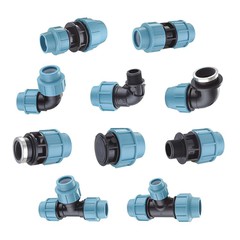
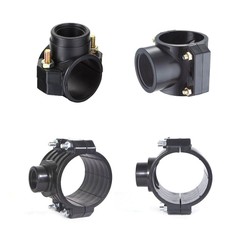
- LDPE pipe, fittings and branch-line connections
- Drip, sprinkler, micro-sprinkler and misting outlets
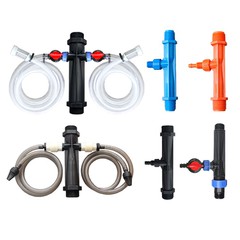
- Venturi fertilizer injectors and related irrigation accessories
Control layer to confirm with the project
These items may be supplied or specified by the project integrator, installer or customer. Their interface determines the correct valve option.
- Central irrigation controller or PLC
- Timer, gateway or remote communication system
- Soil-moisture, rain, weather or other field sensors
- Controller output voltage and signal type
- Grid, battery, generator or solar power arrangement
- Project software, cloud platform or remote monitoring interface
Smart irrigation products grouped by hydraulic function
The control signal is only useful when the valve, filtration, fertigation and outlet products can operate together under the actual pressure and flow conditions.


Solenoid coil and actuator options
Valve actuation should match controller voltage, continuous-power or latching requirements and the project power strategy.
Explore Solenoid CoilsMain and branch water distribution
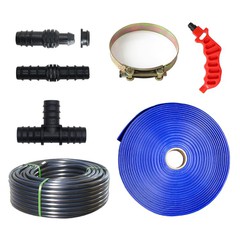
LDPE pipe and fittings connect filters, fertigation, control valves and irrigation outlets across the automatic zone network.
Explore Irrigation Main LineSprinkler and misting outlet options
Automatic zones can also operate sprinklers, micro sprinklers or misting products when their flow and pressure requirements are matched correctly.
Explore Sprinkler IrrigationUse zoning to simplify operation, maintenance and future expansion
Smart irrigation becomes practical when each zone has a clear hydraulic purpose. Zoning should follow crop, pressure, flow and operating needs rather than being added only because a controller has spare outputs.
Zone by crop or irrigation method
Separate drip, sprinkler and misting areas when they need different flow rates, pressures or watering durations.
Zone by elevation or pipe distance
Long laterals and sloping land can create different hydraulic conditions. Smaller zones or pressure-control valves can make operation easier to manage.
Leave capacity for expansion
Standardize valve sizes, fittings and branch connections where practical so additional farm, orchard or greenhouse zones can be added later.
Check these interfaces before finalizing a smart irrigation order
Automation problems are often caused by interface mismatch rather than by the controller itself. Confirm electrical and hydraulic conditions before fixing the valve and component list.
Match valve voltage to the controller
Confirm AC or DC voltage, continuous-power or latching operation, and the controller output before ordering solenoid valves or coils.
Size valves by flow, not pipe thread alone
The valve must handle the expected zone flow and working pressure. Connection size by itself does not confirm hydraulic suitability.
Filter before automatic valves and small outlets
Sand, algae, fertilizer residue and other particles can affect valve pilots, drip emitters, micro sprinklers and misting nozzles.
Check simultaneous zone demand
If multiple valves may open together, the pump and main line must support their combined flow without excessive pressure loss.
Separate incompatible pressure zones
Drip, sprinkler and misting products may need different operating pressures. Do not combine them under one uncontrolled pressure condition.
Keep manual service access
Automatic systems still need maintenance. Filters, valves and connection points should remain accessible for inspection, flushing and manual operation.
Source the hydraulic side of smart irrigation from one supplier
We supply automatic and semi-automatic irrigation components for importers, distributors, irrigation contractors, greenhouse projects, farms and orchards. Buyers can source control valves alone or combine valves, filters, pipes, fittings, fertigation products and final irrigation outlets in one purchasing plan.
- Valve selection based on pressure, flow and controller interface
- Samples before bulk purchasing
- Mixed component sourcing for automatic irrigation projects
- Packaging and label support for distributor programs
- Replacement components for maintenance and repeat orders
- OEM/ODM support for suitable products and packaging

Our product range supports automatic zone control, filtration, water distribution, fertigation and multiple irrigation outlet types for B2B projects and repeat purchasing.
Information that improves automatic irrigation matching
Send both hydraulic and controller-interface information where available. This reduces valve, voltage and flow mismatch before ordering.
Send the zone and controller requirements before choosing the final valve list
Recommended inquiry details
Include application, project size, number of irrigation zones, water source, pump flow and pressure, required irrigation outlets, valve and pipe sizes, controller voltage or signal if already fixed, fertigation needs, estimated quantity, destination country, and any OEM or packaging requirements.
Request a Smart Irrigation Product Recommendation & Quote
A simple system diagram or zone list helps us match solenoid valves, filters, pipes, fertigation products and irrigation outlets more accurately.
Common procurement questions
Our core supply is the irrigation hardware side, including solenoid and hydraulic control valves, filters, pipes, fittings, drip, sprinkler, misting and fertigation products. Controllers, sensors, gateways and project software can be specified by the project side. We can match suitable valve options when the required control voltage or interface is provided.
Yes. Solenoid valve products are available for automatic irrigation layouts. The correct model depends on working pressure, zone flow, pipe size, controller voltage and whether the system requires standard or latching operation.
Please provide pipe size, expected flow per zone, working pressure, number of zones, controller output voltage or signal type if known, preferred valve connection, irrigation method and whether pressure regulation or latching operation is required.
Yes. Different irrigation methods can be used in separate zones. Because their pressure and flow requirements may differ, the valve arrangement, pipe sizing and pressure conditions should be checked for each zone before they are combined into one project.
Suitable low-voltage and latching valve options can be considered for remote or solar-powered projects. The final choice should be matched to the controller output, battery or solar power strategy, valve operating pressure and required zone flow.
Yes. Buyers can combine solenoid valves, hydraulic control valves, filters, LDPE pipe, fittings, fertigation products, drip products, sprinklers and misting accessories. Samples, packaging, labeling and OEM/ODM requirements can be discussed according to the project or target market.